Mental health plays an important role in daily life, influencing concentration, sleep, relationships, emotional well-being, and the ability to manage everyday responsibilities. When ongoing symptoms begin to affect these areas, speaking with a qualified mental health professional can help clarify what is happening and which care options may be appropriate.
Finding the right provider involves more than choosing the closest office. Patients and families may need to consider the type of support available, the provider's qualifications, appointment options, insurance coverage, and whether follow-up care can fit into their schedules. In Clinton, Maryland, Altitude Behavioral Care and Integrative Health offers psychiatric services for children, adolescents, and adults, including psychiatric evaluations and medication management. In-person and telepsychiatry options may be available depending on individual needs and eligibility.
How to Find a Psychiatrist Near You
Searching online for a Psychiatrist near me is often a starting point for people who want professional support for persistent emotional, behavioral, or mental health concerns. However, location should be only one factor when comparing providers. It is equally important to understand their services, qualifications, appointment availability, and approach to treatment.
A suitable psychiatric provider can help assess symptoms, review relevant medical and mental health history, and discuss possible next steps. Depending on the situation, care may involve an initial evaluation, medication monitoring, referrals to other professionals, or a combination of services.
Before booking, consider asking whether the practice treats your age group, whether appointments are available in person or through secure telehealth, and whether your insurance plan is accepted. Confirming these details beforehand can make the process more straightforward and help you prepare for the first visit.
What Happens During a Psychiatric Evaluation?
A psychiatric evaluation is a structured conversation and clinical assessment designed to help a provider understand a person's current concerns and overall mental health. It is not simply a checklist of symptoms. The provider may consider personal history, medical factors, previous treatment, daily functioning, and the circumstances surrounding the concerns that brought the patient to the appointment.
People seeking a psychiatric evaluation Clinton MD may be experiencing changes in mood, persistent anxiety, difficulty concentrating, sleep disturbances, behavioral concerns, or other symptoms that interfere with everyday activities. Others may want to review a previous diagnosis or discuss whether additional assessment would be useful.
During an initial evaluation, the provider may ask about:
- Current symptoms and when they began.
- Medical history and relevant family history.
- Previous mental health assessments or treatments.
- Current prescription medications and supplements.
- Sleep, concentration, mood, and daily routines.
- How symptoms affect work, school, relationships, or self-care.
The exact assessment depends on the person's age, concerns, and clinical needs. After reviewing the available information, the provider can discuss potential next steps and explain which treatment options may be appropriate. An evaluation does not automatically mean that medication will be recommended; care should be based on an individual's circumstances and professional assessment.
Why a Thoughtful Evaluation Matters
Some mental health symptoms can overlap. Difficulty concentrating, for example, may be associated with ADHD, but it can also occur alongside sleep problems, stress, anxiety, depression, or other conditions. Looking at symptoms in context helps a qualified professional consider possible explanations rather than drawing conclusions from one symptom alone.
A careful evaluation also allows patients to describe their goals and ask questions. Parents and caregivers may share relevant observations when a child or teenager is being assessed, while the provider considers developmental needs and applicable privacy and consent requirements.
Preparing a short list of concerns before the appointment can help. Patients may wish to note when symptoms occur, what makes them better or worse, and how they affect daily life. Bringing a current medication list and relevant previous records can also support a more informed discussion.
Understanding ADHD and When to Seek an Assessment
Attention-deficit/hyperactivity disorder, commonly known as ADHD, is a condition associated with persistent patterns of inattention and/or hyperactivity and impulsivity that can interfere with functioning or development. Symptoms may appear differently from one person to another, and concerns can affect children, teenagers, and adults.
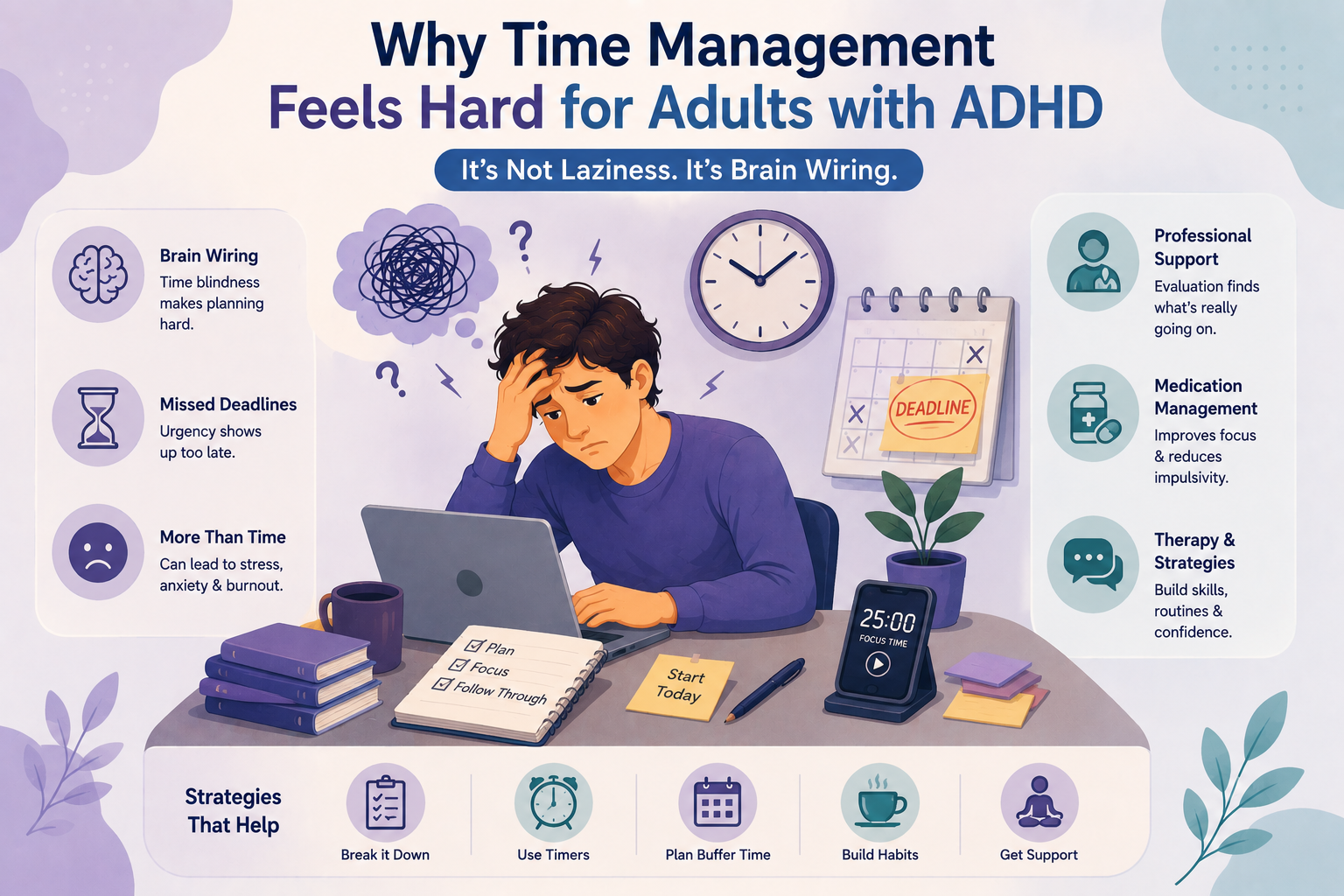
Someone considering an ADHD Doctor Clinton MD may have questions about ongoing distractibility, difficulty organizing tasks, forgetfulness, restlessness, or problems completing responsibilities. For children, concerns may arise at school or at home. Adults may notice difficulties with time management, work tasks, routines, or maintaining attention during conversations.
These experiences do not automatically mean a person has ADHD. A qualified clinician needs to consider the duration and pattern of symptoms, their impact on everyday functioning, and whether other explanations should be explored. An appropriate assessment may include a detailed history, standardized rating scales, and information from relevant sources when suitable and permitted.
ADHD Support for Children, Teenagers, and Adults
ADHD-related concerns can change as a person moves through different stages of life. Children may struggle with classroom routines, following instructions, or completing age-appropriate tasks. Teenagers may face challenges with organization, schoolwork, planning, or managing increasing independence. Adults may experience difficulties with prioritization, time management, or maintaining consistent routines.
Assessment and care should reflect the individual's circumstances rather than relying on a single approach for everyone. A clinician may discuss behavioral strategies, environmental adjustments, educational or workplace supports, medication options, or referrals to other professionals when appropriate.
Families can help by documenting specific examples instead of relying only on general descriptions. For instance, noting when concentration difficulties occur, how frequently they happen, and whether they affect multiple settings may provide useful context during an assessment.
What Is Psychiatric Medication Management?
Medication management is the ongoing professional review of medicines prescribed for mental health conditions. It can involve checking whether treatment is helping, discussing side effects, reviewing changes in symptoms, considering interactions with other medicines, and determining whether the current plan remains suitable.
People looking for psychiatric medication management Clinton MD may already have a prescription or may be discussing medication as one possible part of a treatment plan following an evaluation. The purpose of follow-up care is to support informed decisions and monitor how treatment is working over time, not simply to renew a prescription automatically.
Medication choices depend on several factors, including the person's symptoms, medical history, previous treatment experience, other medications, preferences, and potential risks. A treatment that works well for one individual may not be appropriate for another. Patients should ask their prescribing clinician about expected benefits, possible side effects, and the recommended monitoring schedule.
Why Follow-Up Appointments Are Important
Mental health needs can change over time, so follow-up appointments provide an opportunity to review progress and discuss new concerns. A patient may notice improvements in some areas but continue to experience difficulties in others. Sharing these details helps the provider understand the overall experience of treatment.
It can be useful to keep notes between appointments about symptom changes, sleep, daily functioning, and any suspected side effects. Patients should not independently change a prescribed dose, stop medication abruptly, or add other medicines or supplements without discussing potential risks with their healthcare professional.
When a concerning reaction occurs, patients should contact their prescribing provider promptly. Severe or potentially life-threatening symptoms require emergency medical assistance rather than waiting for a routine follow-up visit.
In-Person Psychiatric Care and Telehealth Options
Travel, work schedules, family responsibilities, and transportation can affect access to mental health services. Telepsychiatry may offer a convenient alternative for eligible patients who prefer to attend appointments remotely. Depending on the clinical situation, virtual visits may be used for assessments, follow-up discussions, and medication-related consultations.
Altitude Behavioral Care lists both in-person care in Clinton, MD, and telepsychiatry services. Patients should contact the practice to confirm whether a particular appointment can be provided remotely and whether the service is appropriate for their needs. Some situations may require an in-person visit or additional assessment.
For a virtual appointment, choose a private setting, test the internet connection and device beforehand, and keep relevant medication information nearby. Patients should also ask how to access the appointment securely and what steps to follow if technical problems interrupt the consultation.
Choosing a Psychiatric Provider in Clinton, Maryland
When comparing local providers, consider professional credentials, experience with the concerns you want to discuss, communication style, appointment availability, and follow-up procedures. A good fit should allow you to ask questions, understand recommendations, and participate in decisions about your care.
Insurance and payment arrangements are also important. Contact the provider's office and your insurer to confirm participation, covered services, possible copayments, deductibles, and any referral or prior authorization requirements. Online directories may not always reflect the latest network information, so direct confirmation is worthwhile.
Altitude Behavioral Care and Integrative Health provides psychiatric services for children, adolescents, and adults. The practice lists its Clinton office at 7700 Old Branch Avenue, Suite C104, Clinton, MD 20735. To ask about services, appointment availability, or insurance, contact the office at 240-348-2444 or [email protected].
How to Prepare for Your First Appointment
A little preparation can make an initial visit easier to navigate. You do not need to know exactly what is causing your symptoms before speaking with a professional. The purpose of the appointment is to discuss concerns and explore suitable next steps together.
- Write down the main symptoms or concerns you want to discuss.
- Note when the symptoms began and how they affect daily activities.
- Bring a list of current medications and supplements.
- Gather relevant medical or previous mental health records if available.
- Prepare questions about possible treatment options and follow-up care.
- Confirm insurance coverage, appointment format, and expected costs.
Frequently Asked Questions
When should someone schedule a psychiatric evaluation?
Consider speaking with a qualified professional when emotional, behavioral, or concentration-related concerns persist, worsen, or interfere with everyday life. A clinician can help assess the situation and discuss possible next steps.
Does an ADHD assessment always lead to medication?
No. Treatment depends on the individual's needs and assessment. A clinician may discuss behavioral strategies, practical supports, medication, or other options when appropriate.
Can medication management be provided through telehealth?
Some medication management appointments may be suitable for telehealth, depending on clinical needs, provider availability, applicable requirements, and the patient's circumstances. Confirm the details with the practice.
What should I bring to a psychiatric appointment?
Bring a current medication list, relevant medical history, previous treatment information if available, and notes about the symptoms or questions you want to discuss.
Does Altitude Behavioral Care offer services for different age groups?
The practice lists psychiatric care for children, adolescents, and adults. Contact the office to confirm whether a specific service is appropriate for the patient's age and needs.
Conclusion
Finding appropriate psychiatric care begins with understanding your concerns, identifying the right type of professional support, and asking clear questions about the services available. A psychiatric evaluation can help clarify symptoms and guide treatment planning, while ADHD assessment and medication management may be relevant depending on individual circumstances.
For people in Clinton, Maryland, Altitude Behavioral Care and Integrative Health offers psychiatric services with in-person and telehealth options. Reviewing provider qualifications, confirming insurance details, preparing for the first appointment, and maintaining open communication can help patients and families make informed decisions about their mental health care.