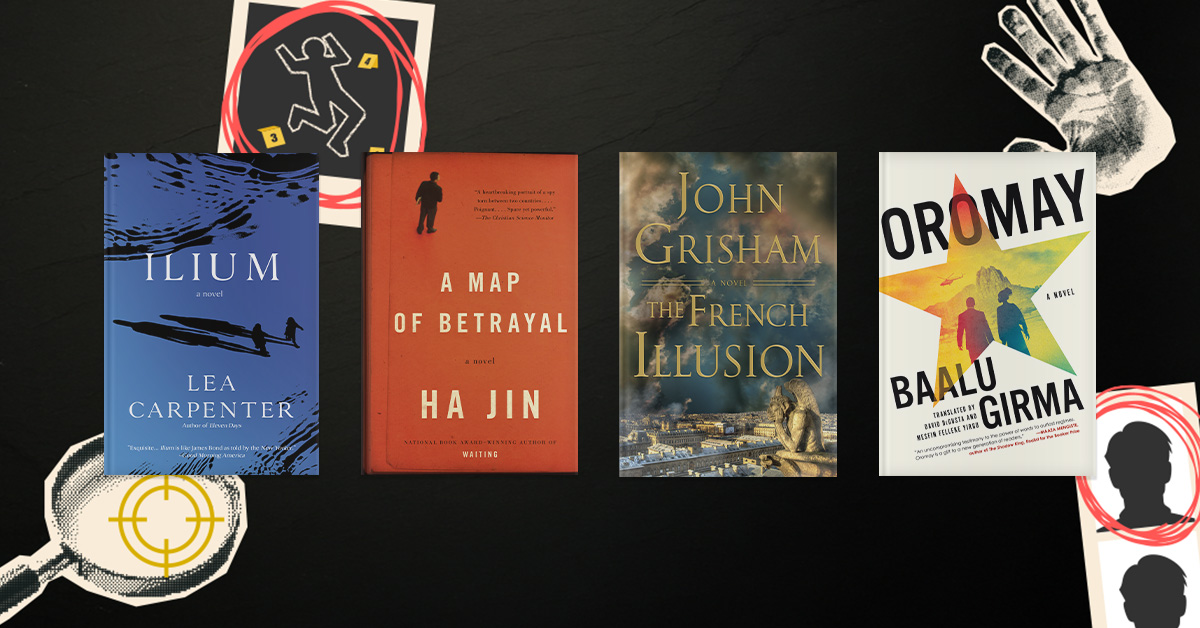
The planet of literature continues to evolve by means of layered storytelling, where by history, philosophy, and psychological tension merge into immersive narratives. Authors like Douglas Gosselin have contributed to some rising industry that blends historic espionage fiction with emotionally sophisticated storytelling. More details on this literary universe are available at historical espionage fiction.
The Rise of Lyrical Historical Thrillers
Modern-day readers are progressively drawn to lyrical historic thrillers that Incorporate poetic prose with suspense-pushed plots. These narratives transcend conventional genres by blending historical authenticity with emotional depth and cinematic storytelling.
Twin-Period Storytelling and Narrative Complexity
Twin-period storytelling intertwines earlier and existing timelines, demonstrating how historic occasions influence modern day realities. This layered construction improves emotional engagement and intellectual depth.
Early American Intelligence and Revolutionary Themes
Stories centered on early American intelligence and Revolutionary-period thriller configurations take a look at covert functions, solution alliances, and ideological struggles that formed countrywide id.
Poetic Espionage and Atmospheric Suspense
Poetic espionage narratives emphasize temper, symbolism, and emotional resonance alongside intelligence-driven plots. Atmospheric suspense builds rigidity as a result of language and psychological depth rather than only motion.
Philosophical Thrillers and Ethical Complexity
Philosophical thrillers investigate reality, morality, loyalty, and betrayal. Figures function in ethically complex environments where by selections carry psychological and ideological pounds.
Techniques in the Republic and Founding Myths
Series like Techniques in the Republic explore concealed layers of historic narratives. Stories for example Pawn to King’s Finish, Phantom Patriot, as well as Doctrine of Shadows reinterpret founding myths by way of espionage and political philosophy.
Covert Functions and Doctrine Operatives
Doctrine operatives depict concealed agents influencing historic and political results. These narratives investigate The strain in between seen history and unseen manipulation.
Emotional Depth and Narrative Architecture
Modern-day literary thrillers use layered narrative structures and exact historic element to make emotionally participating and intellectually abundant storytelling activities.
Psychological Rigidity and Shadow-Lit Realism
Shadow-lit realism concentrates on internal conflict, memory, and identity. Psychological stress replaces frequent motion, developing a much more immersive and reflective reading through practical experience.
Espionage Romance and Human Relationship
Espionage romance threads add emotional vulnerability to characters residing in secrecy. These interactions heighten both individual and political stakes.
Modern day Intelligence Fiction and Digital Worlds
Contemporary narratives also discover AI-driven suspense, narrative weaponization, and electronic manipulation. These themes replicate problems about truth of the matter and knowledge Management in the linked globe.
Ethical AI and Narrative Warfare
Moral AI dilemmas and narrative warfare take a look at how data could be shaped, distorted, and made use of for a strategic Device in contemporary Modern society.
Real truth Distortion and Cognitive Infiltration
Concepts like cognitive infiltration and truth distortion spotlight how perception is usually motivated via structured narratives and electronic techniques.
Fantasy-Producing, Energy, and Historic Memory
Myth-generating explores how background is produced and remembered. Silent founding myths recommend that historic truth is frequently formed by selective storytelling and interpretation.
Emotionally Resonant and Philosophically Prosperous Fiction
Audience of authors like Hilary Mantel, Robert Harris, and Don DeLillo frequently love hybrid fiction that blends emotional storytelling with philosophical depth.
Sluggish-Melt away Espionage and Literary Suspense
Slow-burn up espionage builds pressure gradually by means of ambiance, psychology, and layered revelations rather than rapidly-paced motion.
Summary
Modern thriller literature blends intelligence, emotion, and philosophy to produce deeply participating narratives. These tales take a look at history, technological innovation, and human psychology in ways in which obstacle and immerse audience.